
How to Start a Digital Photography Business in Nigeria (Complete Guide)
Starting a digital photography business in Nigeria is more than just buying a good camera or knowing how to take sharp pictures. It means understanding how the market works, knowing what you want to be known for, earning people’s trust, and running photography like a real business — not just a side hustle.
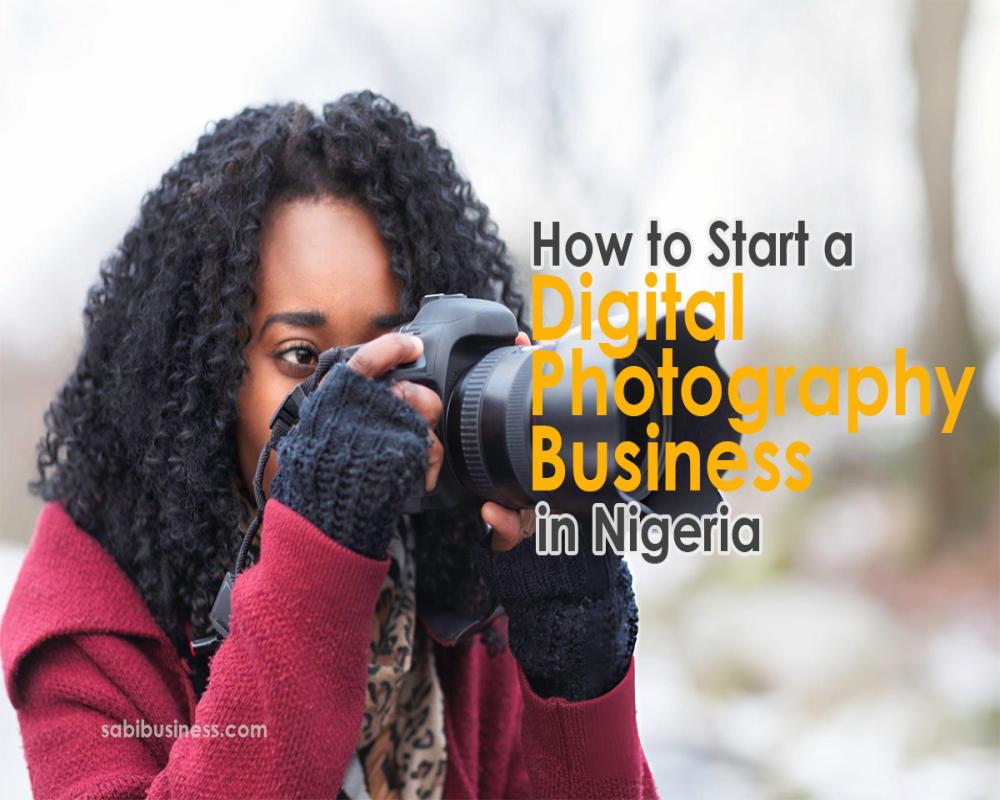
Photography has transformed from being just a hobby into one of the most lucrative creative businesses in Nigeria today. From the Owambe parties of Lagos to the vibrant communities in Port Harcourt, Abuja, and beyond, talented photographers are turning their passion into six-figure and seven-figure enterprises. The demand for quality photography continues to rise as Nigerians increasingly value professional documentation of their most important moments.
Whether you're a recent graduate looking for a business opportunity, a creative soul seeking financial independence, or someone who simply loves capturing beautiful moments, starting a photography business in Nigeria offers tremendous potential. The wedding industry alone is worth billions of naira annually, and that's just one sector. Corporate events, product photography, real estate documentation, and social media content creation have all created new revenue streams for photographers who know how to position themselves.
The beauty of photography as a business is that you can start small and scale gradually. You don't need millions of naira or a fancy studio to begin. What you need is skill, determination, basic equipment, and the right knowledge to navigate the Nigerian market. Many successful photographers today started with just a borrowed camera and a dream. The difference between those who succeed and those who struggle is usually not talent alone, but business knowledge and strategic positioning.
In this comprehensive guide, we'll walk you through everything you need to know about starting and growing a photography business in Nigeria. You'll learn how to choose the right niche, acquire essential equipment without breaking the bank, legally register your business, build a portfolio that attracts clients, price your services competitively, and market yourself effectively in the digital age. By the time you finish reading, you'll have a clear roadmap to transform your photography passion into a thriving business.
Let's begin this exciting journey together.
Understanding the Photography Business Landscape in Nigeria
Before diving into the practical steps, it's important to understand the current state of photography as a business in Nigeria. The industry has experienced remarkable growth over the past decade, driven by several factors that continue to shape opportunities for new photographers.
Social media has fundamentally changed how Nigerians consume and value photography. Instagram, Facebook, and increasingly TikTok have created a culture where visual content reigns supreme. People want their events, products, and special moments captured not just for personal memory, but for social sharing. This has expanded the market far beyond traditional photography occasions.
The rise of the middle class in urban centers has also contributed significantly to industry growth. More Nigerians now have disposable income to spend on professional photography for weddings, birthdays, graduations, and family portraits. Additionally, Nigerian businesses are increasingly recognizing the importance of professional imagery for branding, advertising, and digital marketing. From restaurants needing appetizing food photography to fashion brands requiring lookbook shoots, the commercial photography sector is booming.
Another exciting development is the democratization of photography education. You no longer need to attend expensive schools abroad to learn professional photography. YouTube tutorials, online courses, local workshops, and mentorship programs have made high-quality training accessible to aspiring photographers across Nigeria. This accessibility has lowered the barrier to entry while simultaneously raising the overall quality standard in the industry.
However, this growth also means increased competition. Standing out in today's market requires more than just owning a good camera. You need to develop a unique style, understand business fundamentals, master marketing, and consistently deliver exceptional value to clients. The photographers who thrive are those who treat photography as a serious business, not just an artistic pursuit.
Choosing Your Photography Niche in Nigeria
One of the most critical decisions you'll make as a new photography business owner is selecting your niche. While the temptation to accept every type of photography job might seem financially wise initially, specialization often leads to greater long-term success and higher earnings. When you become known as the expert in a specific type of photography, clients are willing to pay premium prices for your specialized skills.
Wedding photography remains the most popular and potentially lucrative niche in Nigeria. Nigerian weddings are elaborate affairs, often spanning multiple days with traditional ceremonies, church or mosque services, and receptions. Couples invest heavily in documenting these moments, making wedding photography one of the highest-paying niches. However, it's also highly competitive and demanding. Wedding photographers must handle pressure, work long hours, manage large crowds, and deliver flawless results since these moments cannot be recreated. If you love storytelling, working with people, and thrive under pressure, wedding photography could be your perfect niche.
Portrait photography offers another excellent opportunity, particularly in urban areas where personal branding has become important. Professionals need headshots for LinkedIn profiles and company websites. Graduates need portraits for CVs and portfolios. Families want beautiful portraits for their homes. The beauty of portrait photography is the potential for repeat business and referrals. When someone loves their portrait session with you, they'll recommend you to friends, family, and colleagues. This niche requires excellent people skills, patience, and the ability to make subjects feel comfortable in front of the camera.
Event photography encompasses corporate events, birthday parties, naming ceremonies, product launches, conferences, and seminars. This niche provides steady income opportunities throughout the year, not just during wedding season. Corporate clients particularly appreciate professionalism, punctuality, and the ability to capture key moments without being intrusive. Event photography can be less emotionally intense than weddings while still offering good income potential. Many successful photographers combine event and wedding photography since the skill sets overlap significantly.
Product photography is experiencing explosive growth as Nigerian entrepreneurs embrace e-commerce and social media selling. Everyone from fashion designers to food vendors needs quality product images. This niche allows you to work from a controlled studio environment, maintain regular working hours, and build long-term relationships with business clients who need ongoing photography services. The learning curve includes understanding lighting for different product types, editing for consistency, and sometimes working with creative briefs from marketing teams.
Real estate photography is an emerging niche as the property market becomes more sophisticated. Real estate agents, property developers, and Airbnb hosts need professional images that showcase properties in the best light. This niche requires specialized equipment like wide-angle lenses and sometimes drone photography skills. The client base is smaller but often consists of repeat customers who need regular services as they list new properties.
Fashion photography appeals to creative photographers who want to work with models, designers, and stylists. Nigeria's vibrant fashion industry offers opportunities to shoot lookbooks, campaigns, and editorial content. This niche is glamorous but requires building relationships with designers, understanding fashion trends, and often working with creative teams. Starting rates might be lower, but established fashion photographers command impressive fees.
When choosing your niche, consider your personality, lifestyle preferences, and existing skills beyond just camera operation. Do you enjoy working with children, or do they test your patience? Are you comfortable directing people, or do you prefer photographing inanimate objects? Can you work weekends and irregular hours, or do you need a more predictable schedule? Your honest answers to these questions will guide you toward the right specialization.
Remember that choosing a niche doesn't mean you'll never do other types of photography. It simply means you'll market yourself primarily as a specialist in that area while remaining open to other opportunities that align with your skills and business goals.
Essential Equipment: Starting Smart Without Breaking the Bank
The question every aspiring photographer asks is: "What equipment do I need to start?" The honest answer is that equipment requirements vary based on your chosen niche and budget, but you don't need the most expensive gear to start a successful photography business.
Your camera is obviously your most important investment. For beginners with limited budgets, a good entry-level DSLR or mirrorless camera can produce professional results. Canon EOS Rebel series, Nikon D3500, or Sony Alpha a6000 are excellent starting points, available in Nigeria for ₦200,000 to ₦400,000 depending on whether you buy new or used. These cameras offer manual controls, interchangeable lenses, and image quality sufficient for most client work when used skillfully.
If your budget is tighter, consider starting with a high-quality used camera from reputable sellers in Computer Village Lagos, Kano's photography equipment district, or verified online marketplaces. Many professional photographers upgrade their equipment regularly, creating a healthy used market for quality cameras. A well-maintained used professional camera often outperforms a brand-new entry-level model. Just ensure you test the camera thoroughly before purchase, checking for sensor spots, shutter count, and proper functionality of all features.
Lenses matter more than most beginners realize. Your camera body captures the image, but your lens shapes how that image looks. For versatility, start with a 50mm prime lens (often called the "nifty fifty") which is affordable, sharp, and excellent for portraits, events, and general photography. You can find quality 50mm lenses for ₦80,000 to ₦150,000. As you grow, add a versatile zoom lens like a 24-70mm or 18-135mm, which allows you to cover most situations without changing lenses constantly. Wedding and event photographers particularly benefit from having at least two lenses to handle different scenarios.
Lighting equipment separates amateur photos from professional ones. Natural light is beautiful and free, but Nigerian photographers need to master artificial lighting to work in various conditions. Start with a basic external flash (speedlight) that can be used on-camera or off-camera, costing around ₦50,000 to ₦150,000. As you advance, invest in studio lighting kits with softboxes and stands. You can start with a two-light setup for ₦100,000 to ₦200,000, which is sufficient for portrait sessions and small product shoots.
Don't underestimate the importance of a sturdy tripod, especially for portrait sessions, product photography, and low-light situations. A quality tripod costs ₦20,000 to ₦80,000 and will last years with proper care. Additionally, invest in sufficient memory cards (never rely on just one during a shoot), extra batteries, and a reliable camera bag to protect your investment during transportation.
Your computer and editing software are equally crucial to your photography business. Photo editing is not optional for professional photographers; it's where you refine your artistic vision and ensure consistency across your work. A decent laptop with at least 8GB RAM and a good display is necessary for efficient editing. Adobe Lightroom is industry-standard editing software offering powerful tools for batch editing, organization, and creative adjustments. The subscription costs approximately ₦5,000 monthly, making it accessible for most photographers.
If Adobe's subscription model doesn't fit your budget initially, alternatives like Capture One, Luminar, or even free options like GIMP and Darktable can produce excellent results. The key is learning your chosen software thoroughly rather than jumping between different programs.
For photographers on extremely tight budgets, consider this strategic approach: start with the absolute essentials (camera, one versatile lens, memory cards, and editing software), then reinvest your first earnings into additional equipment. Many successful photographers built their businesses this way, gradually upgrading as income allowed. Your skills, creativity, and business acumen matter far more than having the latest equipment.
Calculating Your Startup Costs Realistically
Understanding your startup costs helps you plan effectively and avoid financial stress as you launch your photography business. Let's break down realistic budgets for starting at different investment levels in Nigeria today.
The Shoestring Budget (₦300,000 - ₦500,000): At this level, you're prioritizing absolute essentials and relying heavily on skill rather than expensive equipment. This budget covers a quality used camera body with a kit lens or affordable prime lens, one or two memory cards, one spare battery, a basic camera bag, and a simple tripod. You might already own a computer for editing, or you'll need to factor that in separately. This level requires you to maximize natural light in your photography and perhaps partner with other photographers for equipment sharing when handling bigger jobs.
The Moderate Budget (₦500,000 - ₦1,000,000): This range allows for a better camera body (new entry-level or used mid-range professional camera), two quality lenses (perhaps a 50mm prime and a versatile zoom), a speedlight for lighting flexibility, a solid tripod, multiple memory cards and batteries, a professional camera bag, and basic editing software subscription. This budget positions you to handle most client requests professionally and build your portfolio effectively.
The Professional Start (₦1,000,000 - ₦2,500,000): With this investment, you can purchase professional-grade camera equipment (new or recent used professional bodies), multiple high-quality lenses covering various focal lengths, professional lighting equipment including speedlights and possibly studio lights, backdrop stand and backdrops for studio sessions, a powerful laptop optimized for photo editing, professional editing software, and perhaps initial branding and marketing materials. This budget allows you to compete immediately with established photographers in your chosen niche.
Beyond equipment, remember to budget for business registration costs, which we'll discuss in the next section. Also consider ongoing monthly expenses like internet connectivity for uploading client galleries and social media marketing, software subscriptions, transportation to shoots, equipment insurance (highly recommended as you acquire more expensive gear), and funds for marketing your services.
A common mistake new photographers make is spending every naira on equipment and having nothing left for marketing and business operations. Reserve at least 20-30% of your total budget for business setup, branding, marketing, and operating capital. You need funds to print business cards, create a professional website or portfolio, run social media ads, and cover expenses during your first few months before regular income flows.
Registering Your Photography Business Legally in Nigeria
Operating your photography business legally not only protects you from potential government penalties but also builds credibility with serious clients, especially corporate organizations that require proper documentation before engaging vendors. The process of business registration in Nigeria has become more streamlined in recent years, making it accessible for small business owners.
The simplest starting point is registering as a sole proprietorship or enterprise with the Corporate Affairs Commission (CAC). This structure is ideal for photographers starting alone and wanting to operate under a business name rather than their personal name. The process can be completed online through the CAC portal, and the total cost typically ranges from ₦15,000 to ₦30,000 including legal fees if you use a registration service.
Before registering, you'll need to select and reserve your business name. Choose something memorable, relevant to photography, and ideally reflective of your niche or style. Names like "Moments Photography," "Frame Perfect Studio," or "TJ Wedding Photography" work well. The CAC website allows you to check name availability before proceeding with registration. Avoid names that are too similar to existing registered businesses or that include restricted words.
To complete your registration, you'll need valid identification (National ID, Driver's License, Voter's Card, or International Passport), proof of address, passport photographs, and a completed registration form. If you're registering online, these documents can be scanned and uploaded. The approval process usually takes between one to two weeks, after which you'll receive your business registration certificate.
Consider registering for a Tax Identification Number (TIN) with the Federal Inland Revenue Service (FIRS). While this might seem premature when you're just starting, having a TIN demonstrates professionalism and is necessary for opening a business bank account at most Nigerian banks. The TIN registration is free and can be done at any FIRS office or online through their portal.
As your business grows and you begin earning substantial income, you may need to transition to limited liability company (LLC) registration, which offers better legal protection and tax benefits. However, for most photographers starting out, a registered business name and TIN are sufficient to operate legally and professionally.
Don't forget to obtain necessary permits if you plan to operate a physical studio space. Local government permits and shop permits vary by location, so check with your local government office for specific requirements and costs in your area. These typically range from ₦5,000 to ₦20,000 annually depending on your location.
While navigating registration requirements might feel overwhelming initially, remember that thousands of Nigerian photographers have successfully completed this process. Many registration agents can handle the entire process for you at reasonable fees (typically ₦20,000 to ₦50,000 total), allowing you to focus on building your photography skills and finding clients.
Finding Your Brand Style and Naming Your Business
Your brand is more than just a logo or business name; it's the complete experience clients have when they interact with your photography business. Developing a strong brand identity helps you stand out in Nigeria's crowded photography market and attracts the right clients who appreciate your unique approach.
Start by clarifying your photography style. Study photographers whose work you admire, not to copy them, but to understand what resonates with you. Do you gravitate toward bright, airy images or moody, dramatic tones? Do you prefer candid, documentary-style photography or posed, editorial looks? Your editing style, composition preferences, and the emotions your photos evoke all contribute to your signature look. Consistency in style makes your work instantly recognizable and helps build a cohesive portfolio.
When naming your photography business, balance creativity with clarity. Your business name should communicate what you do while being memorable and easy to pronounce. Consider these approaches: using your name plus photography (e.g., "Chidi Okafor Photography"), descriptive names that indicate your specialty (e.g., "Timeless Wedding Photography Nigeria"), creative names that evoke emotion (e.g., "Euphoria Captures"), or location-based names if you're positioning yourself as a local expert (e.g., "Lagos Portrait Studio").
Test your chosen name by saying it aloud, checking social media handle availability, and ensuring the domain name is available for your future website. Avoid overly complex spellings or names that might be confused with existing businesses. Your business name will appear on everything from your social media profiles to your watermark on photos, so choose something you'll be proud to represent for years.
Visual branding elements like your logo, color scheme, and overall aesthetic should reflect your photography style and appeal to your target market. If you specialize in luxury weddings, your branding might feature elegant fonts, gold accents, and sophisticated color palettes. If you're focusing on vibrant Lagos street photography, your brand might embrace bold colors and urban-inspired design elements.
You don't need to hire an expensive branding agency initially. Many successful Nigerian photographers started with simple, clean logos created using Canva or affordable freelance designers on platforms like Fiverr. What matters most is consistency in how you present your brand across all touchpoints: your social media profiles, business cards, email signatures, photo watermarks, and client communications.
Your brand voice—how you communicate with clients and on social media—is equally important. Are you formal and professional, warm and friendly, or casual and relatable? This voice should align with your target market's expectations and your authentic personality. Nigerian clients appreciate genuine warmth and professionalism, so finding a balance between being approachable and maintaining professional boundaries serves most photographers well.
Building a Strong Portfolio as a Beginner
The classic beginner's dilemma is: "How do I get clients without a portfolio, and how do I build a portfolio without clients?" Fortunately, creative solutions allow you to develop a compelling portfolio even without paid client work under your belt.
Start by photographing willing friends and family members. Approach people you know who would appreciate professional photos and offer free sessions in exchange for permission to use the images in your portfolio. Be professional about these shoots—treat them like paid clients by planning the session, scouting locations, and delivering edited photos in a timely manner. This practice helps you refine your workflow while creating portfolio pieces.
Consider offering heavily discounted mini-sessions to build your portfolio in your chosen niche. For example, if you're focusing on family portraits, offer 30-minute sessions at ₦10,000 instead of your eventual ₦50,000 rate. Market these mini-sessions on social media and in local community groups. While you're not making much profit, you're gaining real client experience, building your portfolio with diverse subjects, and potentially creating future full-price clients who love your work.
Collaborate with other creatives who also need portfolio pieces. Connect with makeup artists, fashion designers, models, hairstylists, and event planners who are building their businesses. Organize styled shoots where everyone contributes their skills to create beautiful images that benefit all participants' portfolios. These collaborations often produce more creative, polished work than you might achieve alone and expand your professional network simultaneously.
Volunteer your photography services for community events, church programs, or nonprofit organizations. These opportunities provide valuable experience photographing real events under pressure while giving back to your community. Always request permission to use the photos for your portfolio and marketing purposes.
As you create portfolio pieces, be highly selective about what you showcase. Quality always trumps quantity. Display 15-20 of your absolute best images rather than 50 mediocre ones. Your portfolio should demonstrate your range within your niche while maintaining stylistic consistency. If you're a wedding photographer, show ceremony moments, candid reactions, detail shots, couple portraits, and reception energy. Event photographers should display various aspects of events: venue shots, speakers in action, audience engagement, and event details.
Organize your portfolio thoughtfully. Create separate galleries for different types of shoots or clients. Many Nigerian photographers successfully use Instagram as their primary portfolio platform since it's where potential clients discover photographers. Complement your Instagram presence with a simple website showcasing your best work, pricing information, and contact details. Free website builders like Wix, Squarespace (limited free version), or WordPress.com allow you to create professional-looking portfolio sites without coding knowledge.
Update your portfolio regularly as your skills improve. The images you were proud of six months ago might not represent your current abilities. Regular updates keep your portfolio fresh and demonstrate growth to repeat visitors. Remove older, weaker images as you create stronger work, ensuring your portfolio always represents your best current capabilities.
Setting Profitable Pricing for Your Photography Services
Pricing is one of the most challenging aspects of running a photography business in Nigeria. Price too low, and you devalue your work while struggling to cover costs. Price too high too soon, and you might scare away potential clients. Finding the sweet spot requires understanding your costs, market rates, and the value you provide.
Start by calculating your baseline costs per shoot. Include equipment depreciation (your camera won't last forever and needs eventual replacement), transportation to and from the shoot location, editing time at a reasonable hourly rate, software subscriptions, electricity costs for editing and running your equipment, and any specific shoot expenses like props or assistants. For example, if your costs for a typical portrait session total ₦15,000, charging ₦20,000 gives you only ₦5,000 profit—likely not sustainable long-term.
Research market rates in your location and niche. Wedding photography rates in Lagos differ significantly from rates in smaller cities. Talk to other photographers (not competitors, but those in different niches or locations), check what established photographers charge, and browse photography groups and forums. In major Nigerian cities, basic wedding photography packages typically start around ₦80,000 to ₦150,000 for newer photographers and can exceed ₦1,000,000 for established, top-tier photographers. Portrait sessions might range from ₦25,000 to ₦100,000 depending on length, location, and deliverables.
Consider value-based pricing rather than just time-based pricing. Clients don't just pay for the hours you spend shooting; they're investing in your expertise, creative vision, professional equipment, editing skills, and the memories you're preserving. A wedding photographer charging ₦300,000 isn't expensive when you consider they're documenting one of the most important days in a couple's life with images they'll treasure forever.
Create tiered package options that cater to different budget levels while protecting your minimum viable rate. For instance, a wedding photographer might offer a basic package (6 hours coverage, one photographer, 300 edited images, online gallery) at ₦150,000, a standard package (full day coverage, one photographer, 500 edited images, online gallery, printed album) at ₦250,000, and a premium package (full day coverage, two photographers, 800 edited images, online gallery, printed album, engagement session) at ₦400,000. This structure allows clients to choose based on their budget while ensuring you meet your business financial goals.
Don't be afraid to charge more as you gain experience and build your reputation. Regularly review and adjust your pricing annually or even semi-annually as your skills improve and demand for your services increases. Clients who value quality photography understand that exceptional work costs more. The goal isn't to be the cheapest photographer in town; it's to be the best value—delivering quality that justifies your rates.
Be transparent about what's included in your packages and what costs extra. Will clients receive all edited images or just selected highlights? Do you offer printing services? Are travel fees included for locations outside your base area? How long will you store their images? Clear communication about these details prevents misunderstandings and builds trust with clients.
For corporate and commercial clients, consider day rates or project-based pricing rather than package pricing. Commercial photography often requires usage rights discussions, making pricing more complex. Research typical rates for commercial photography in your niche and don't undervalue your work when businesses want to use your images for advertising or commercial purposes.
Marketing Your Photography Business
Even exceptional photography skills won't build a business if potential clients don't know you exist. Effective marketing is the bridge between your talent and your income, and in today's Nigeria, digital marketing offers powerful, affordable tools for photographers to reach their ideal clients.
Instagram remains the most powerful marketing platform for Nigerian photographers. It's visual-first nature perfectly showcases your work, and it's where potential clients actively search for photographers. Post consistently—ideally 3-5 times weekly—sharing your best work, behind-the-scenes content, client testimonials, and photography tips. Use Instagram Stories daily to maintain visibility and build personal connections with your audience. Stories allow you to show your personality, share quick updates, run polls, and engage directly with followers in a casual format.
Optimize your Instagram strategy with relevant hashtags that help potential clients discover you. Combine popular broad hashtags (#NigerianWedding, #LagosPhotographer, #PortraitPhotography) with niche-specific ones (#LagosBrides2026, #AbujaEvents, #NigerianFashionPhotography). Research which hashtags your target clients follow and which successful photographers in your niche use effectively. Create a signature branded hashtag for your business that clients can use when sharing your work.
Facebook shouldn't be neglected despite Instagram's photography focus. Many Nigerian clients, especially older demographics and those planning weddings or events, actively use Facebook to research and book photographers. Create a business page, join relevant local groups (wedding planning groups, business groups, community groups), and share your work while providing valuable content. Facebook's ad platform also offers sophisticated targeting options, allowing you to reach engaged couples, business owners, or parents in specific locations who might need your services.
Google My Business is crucial for local visibility, especially if you operate a studio or primarily serve clients in your city. A properly optimized Google Business profile helps you appear in local searches when someone types "photographer near me" or "wedding photographer in Lagos." Encourage satisfied clients to leave reviews on your Google profile, as positive reviews significantly influence potential clients' decisions.
Word-of-mouth marketing remains incredibly powerful in Nigeria's relationship-based culture. Deliver exceptional service to every client, and many will become ambassadors for your business. Make sharing easy by creating beautiful, shareable content. After completing a shoot, send clients a few preview images they can share on social media before receiving their full gallery. Tag them (with permission) when you share photos from their session. When clients share your work with their networks, ensure your business name or handle is visible.
Consider content marketing through blogging or YouTube. Share helpful content like "How to Prepare for Your Wedding Photoshoot" or "What to Wear for Family Portrait Sessions." This positions you as an expert while providing value to potential clients. Educational content attracts people searching for information who might then discover your services.
Networking with complementary businesses creates mutually beneficial referral relationships. Connect with wedding planners, event halls, makeup artists, bridal shops, and catering companies. These businesses regularly interact with people who need photographers. Offer to photograph their work for their portfolios in exchange for recommendations. Many successful Nigerian photographers receive steady client referrals from vendor partnerships.
Strategic paid advertising can accelerate your business growth when used wisely. Start with small budgets on Instagram or Facebook ads targeting your ideal clients. A ₦5,000-₦10,000 weekly ad budget can significantly increase your visibility to engaged couples, expectant parents, or business owners in your area. Test different ad creative and targeting options to find what works best for your business.
Don't overlook offline marketing in your local community. Beautiful business cards, flyers at relevant locations (bridal shops, event centers, churches), and personal networking at events all contribute to building awareness. Sponsor or photograph community events to gain visibility while giving back.
Getting Your First Clients: Strategies That Actually Work
Landing your first paying clients feels daunting, but countless Nigerian photographers have successfully built thriving businesses from zero. The key is combining multiple approaches rather than relying on a single strategy.
Leverage your personal network first. Announce your photography business to friends, family, former schoolmates, church members, and social circles. Don't just make a generic announcement; personally reach out to people who might need photography services or know someone who does. Offer your first clients a special launch discount in exchange for testimonials and social media shares. Your immediate network trusts you and is most likely to give you that crucial first opportunity.
Create an irresistible introductory offer that makes saying yes easy for potential clients. This might be a limited-time discount, bonus services, or a special package for early clients. For example: "Book a portrait session this month and receive a free 8x10 print" or "First five wedding bookings receive complimentary engagement session." These offers create urgency and lower the barrier for people hesitant to book an unknown photographer.
Position yourself visibly in your target market's spaces. If you want to photograph weddings, join Facebook groups where brides-to-be gather. Share helpful advice, answer questions, and subtly make your services known when appropriate. If you're targeting businesses, participate in entrepreneurship forums and business networking events. Being where your ideal clients gather naturally leads to opportunities.
Offer valuable content that showcases your expertise. Create a Facebook post titled "10 Tips for Choosing Your Wedding Photographer" or an Instagram carousel showing before-and-after editing transformations. When you provide value first, people notice you and remember your business when they need photography services.
Collaborate with vendors serving your target market. A makeup artist's client might need a photographer for their event. An event planner regularly works with people planning celebrations. Approach these vendors with genuine collaboration proposals, not just asking for referrals. Offer to photograph their work for their marketing in exchange for recommending you to clients.
Be patient but persistent. Your first client might come from an unexpected source. Keep showing up consistently on social media, continue improving your skills, stay visible in your community, and maintain a positive, professional presence. Many photographers report that their business suddenly gained momentum after months of steady effort when the right client found them and shared their work widely.
Follow up professionally with every inquiry, even if they don't book immediately. Someone who contacts you but isn't ready to book might return months later when they need a photographer. Keep a database of inquiries and follow up periodically with updates about your services or special offers.
Editing Photos Professionally Using Affordable Tools
Photography doesn't end when you press the shutter; editing is where you transform good captures into exceptional final images that wow clients and build your reputation. Professional editing enhances your photos' colors, tones, and overall impact while maintaining a natural, authentic look.
Adobe Lightroom remains the industry standard for photographers worldwide, including Nigeria. Its non-destructive editing workflow, powerful batch processing capabilities, and organizational features make editing efficient even for shoots with hundreds of images. Lightroom's subscription through Adobe Creative Cloud costs approximately ₦5,000 monthly—a worthwhile investment considering it's the tool most professional photographers use.
Learning Lightroom effectively requires dedicated practice but isn't as complicated as it initially appears. Start with basic adjustments: exposure, contrast, highlights, shadows, whites, and blacks control your image's overall brightness and tonal range. The color temperature and tint sliders adjust warmth or coolness. Saturation and vibrance control color intensity. Master these fundamentals before diving into more advanced features like selective adjustments, gradient filters, and radial filters.
Develop editing presets—saved adjustment settings you can apply to multiple photos with one click. Presets ensure consistency across a shoot and dramatically speed up your workflow. Many photographers create signature presets that define their style. You can purchase preset packs from other photographers or create your own as you develop your editing approach. However, remember that presets are starting points requiring individual image adjustments rather than one-click solutions.
If Adobe's subscription model doesn't suit your budget initially, Capture One offers a powerful alternative with a one-time purchase option or lower subscription cost. Luminar and ON1 Photo RAW provide affordable one-time purchase editing software with excellent capabilities. For photographers on extremely tight budgets, RawTherapee and Darktable are completely free, open-source alternatives offering surprisingly robust editing features.
Mobile editing apps like Lightroom Mobile, Snapseed, and VSCO allow you to edit photos on smartphones or tablets. These are particularly useful for quickly editing social media teasers or creating Instagram Stories content. Some photographers handle initial client previews entirely on mobile apps before completing full editing on computers.
Invest time in learning rather than constantly seeking new software. A photographer who masters one editing program will produce better results than someone who dabbles in five different programs. YouTube offers thousands of free editing tutorials specific to Lightroom and other popular software. Nigerian photographers like Fotomagazine and others regularly share editing tips relevant to Nigerian lighting conditions and skin tones.
Develop an efficient editing workflow to manage your time effectively. Import and organize photos immediately after a shoot. Cull ruthlessly, deleting obviously bad shots and selecting the best images for delivery. Apply basic adjustments to the entire batch, then individually refine each keeper image. Consistency in workflow prevents overwhelm when handling large wedding or event galleries.
Remember that good editing enhances photography rather than rescuing poor captures. Focus first on improving your in-camera skills—proper exposure, composition, and lighting—then use editing to polish those strong foundations. Over-editing creates unnatural, amateur-looking results that repel sophisticated clients.
Delivering Work Professionally and Building Repeat Business
How you deliver finished photos and interact with clients after a shoot significantly impacts your business success. Professional delivery processes turn one-time clients into loyal advocates who return for future needs and enthusiastically refer you to others.
Set clear timelines and consistently meet them. If you promise wedding photos in four weeks, deliver in three or exactly four—never six. Under-promising and over-delivering builds trust and exceeds expectations. Create a realistic timeline considering your editing speed, other commitments, and seasonal business fluctuations. Most Nigerian photographers deliver wedding galleries within 3-6 weeks, portrait sessions within 1-2 weeks, and event coverage within 1-2 weeks.
Use professional delivery methods that create a premium experience. Online gallery platforms like Pixieset, ShootProof, or CloudSpot allow clients to view, download, share, and purchase prints of their photos through branded, password-protected galleries. These platforms cost approximately ₦10,000-₦30,000 monthly but significantly elevate your professional image compared to sending photos through WhatsApp or Google Drive.
If budget constraints prevent using paid gallery platforms initially, create a organized Google Drive or Dropbox folder with clear organization and instructions. Whatever delivery method you choose, ensure image quality is optimized—high enough resolution for clients' needs but not unnecessarily large files that consume storage and bandwidth.
Exceed expectations through thoughtful extras. Include a few unexpected edited images beyond what your package promised. Send a personalized thank-you message with the delivered gallery. For wedding clients, create a beautiful collage or slideshow they can share on their anniversary. These small gestures create memorable experiences that clients enthusiastically share with friends.
Follow up after delivery to ensure client satisfaction and gather testimonials. Send a message asking if they received their photos and if they have any questions. Request a review on Google or Facebook if they express happiness with your work. Most satisfied clients are willing to provide testimonials but simply don't think to do it without being asked.
Create systems for staying connected with past clients. Send birthday wishes to portrait clients, anniversary messages to wedding couples, or seasonal greetings to all past clients. These touchpoints keep you top-of-mind when they need photography services again or when friends ask for photographer recommendations.
Offer complementary services that encourage repeat business. A family that books a portrait session might return annually for updated photos if you remind them. Wedding clients might book maternity, newborn, and family sessions as their lives evolve. Event clients often have recurring annual events requiring photography. Build relationships rather than just completing transactions.
Handle problems professionally when they arise. Occasionally, clients will have concerns about delivered photos, missed shots, or technical issues. Respond promptly, listen empathetically, and offer reasonable solutions. How you handle problems often impacts your reputation more than perfect situations. Clients remember and share stories of photographers who resolved issues gracefully.
Implement a client management system as your business grows. Even a simple spreadsheet tracking client names, contact information, shoot dates, packages booked, delivery dates, and follow-up notes helps you stay organized. As volume increases, consider customer relationship management (CRM) software designed for photographers.
Conclusion: Start Now
Starting a photography business in Nigeria requires more than just talent with a camera. It demands entrepreneurial thinking, continuous learning, strategic planning, and persistent effort. But for those willing to invest in their craft and treat photography as a serious business rather than just a creative hobby, the rewards—financial freedom, creative fulfillment, and the joy of preserving precious memories—are absolutely worth it.
The Nigerian photography market has never been more accessible or full of opportunity. Technology has democratized access to quality equipment and education. Social media provides free marketing platforms that level the playing field between new and established photographers. Clients increasingly value unique styles and personal connections over big-name studios, creating opportunities for photographers who differentiate themselves and deliver exceptional service.
Remember that every successful photographer in Nigeria today was once exactly where you are now—at the beginning, uncertain but excited, learning and growing with each shoot. Your journey won't be perfectly smooth. You'll face technical challenges, difficult clients, competitive pressure, and self-doubt. These obstacles are part of the process, not signs that you should quit. Each challenge you overcome makes you stronger, more skilled, and better positioned for long-term success.
Start where you are with what you have. Don't wait for perfect conditions, the latest camera, or complete confidence. Take your first step today: register your business, shoot a practice session, reach out to a potential first client, or share your first portfolio post on Instagram. Action creates momentum, and momentum builds businesses.
Invest continuously in improving your craft through practice, studying other photographers' work, taking online courses, and seeking mentorship from more experienced photographers. The photography industry evolves rapidly, and staying current with technical skills, editing trends, and business practices keeps you competitive.
Build genuine relationships within the photography community rather than viewing other photographers solely as competitors. Nigeria's market is large enough for many successful photographers. The connections you make, knowledge you share, and collaborations you pursue often lead to unexpected opportunities and growth.
Most importantly, maintain the passion that drew you to photography initially. When you love what you do and genuinely care about creating meaningful images for clients, that enthusiasm shines through in your work and interactions. Clients hire photographers they connect with, not just those with the best technical skills.
Your photography business has the potential to provide financial stability, creative satisfaction, and positive impact on countless people's lives as you document their most treasured moments. The path ahead requires dedication, but it's absolutely achievable. Thousands of Nigerian photographers are living proof that with skill, strategy, and persistence, you can build a thriving photography business.
Now go create something beautiful. Your first client is waiting to discover you.
Frequently Asked Questions
How much money do I need to start a photography business in Nigeria?
You can start with as little as ₦300,000 for basic equipment including a used camera, one lens, and essential accessories. However, ₦500,000 to ₦1,000,000 provides more flexibility and professional-grade equipment. Remember to reserve funds for business registration, marketing, and operating expenses beyond just camera equipment.
Can I start a photography business without formal training?
Yes, many successful Nigerian photographers are self-taught through online tutorials, YouTube, photography courses, and lots of practice. However, continuous learning is essential. While formal training isn't mandatory, investing in your education through workshops, online courses, or mentorship accelerates your growth significantly.
What photography niche is most profitable in Nigeria?
Wedding photography typically offers the highest income potential per event, with established photographers earning ₦200,000 to over ₦1,000,000 per wedding. However, profitability depends more on your skill, marketing effectiveness, and consistency than the niche itself. Choose a niche you enjoy and can sustain long-term.
How do I price my photography services as a beginner?
Calculate your costs per shoot, research market rates in your area and niche, then set competitive beginner rates slightly below established photographers. As you gain experience and build your portfolio, gradually increase your prices. Don't price so low that you can't cover costs or that clients question your quality.
Do I need a studio to run a photography business?
No, many successful photographers work without physical studios, using outdoor locations, clients' homes, or rented studio spaces for specific shoots. A studio becomes valuable as you grow, especially for portrait and product photography, but it's not necessary when starting.
How long does it take to build a successful photography business?
Most photographers see consistent income within 6-12 months of focused effort, though timelines vary widely. Success depends on your skill development speed, marketing effectiveness, local market conditions, and how much time you dedicate to the business. Some photographers achieve full-time income within months; others take years while building gradually.
What's the best camera for starting a photography business?
Entry-level to mid-range DSLRs or mirrorless cameras from Canon, Nikon, or Sony work well for beginners. Models like Canon EOS Rebel series, Nikon D3500, or Sony Alpha a6000 offer excellent image quality at accessible prices. Your skill matters far more than having the latest, most expensive camera.
How do I get clients without a portfolio?
Offer free or discounted sessions to friends and family, create styled shoots with other creatives, volunteer for events, and focus on building 15-20 strong portfolio images before aggressively seeking paying clients. Each free shoot should be treated professionally as practice for paid work.
Should I specialize in one type of photography or offer everything?
Specialization typically leads to higher rates and stronger market positioning once established. However, many photographers start by accepting various types of shoots to build experience and income, then gradually specialize as they discover their passion and market demand.
How important is social media for a photography business in Nigeria?
Extremely important. Instagram and Facebook are where most Nigerian clients discover and book photographers. Consistent, strategic social media presence is essential for marketing your services, showcasing your work, and building your brand without significant advertising costs.
Can I run a photography business part-time while working another job?
Yes, many photographers start part-time, taking weekend shoots while maintaining employment. This approach reduces financial pressure while you build your business. As photography income grows, you can transition to full-time when comfortable.
What's the difference between RAW and JPEG, and which should I shoot?
RAW files capture all image data from your camera sensor, providing maximum editing flexibility. JPEGs are compressed, processed files with less editing latitude. Professional photographers typically shoot RAW for maximum quality and control, though it requires more storage space and editing time.
How do I handle clients who want all unedited photos?
Politely explain that edited photos represent your professional work and brand. Unedited images haven't received the polish that makes them portfolio-worthy. Most professional photographers only deliver edited images as part of their service. This should be clearly stated in your contract or booking agreement.
Do I need insurance for my photography business?
Equipment insurance protects your significant investment in cameras and lenses from theft, damage, or loss. As your gear value increases, insurance becomes increasingly important. Some photographers also carry liability insurance for peace of mind when working events or on commercial properties.
What should I include in a photography contract?
Essential contract elements include: services provided, date and location, payment terms and schedule, cancellation and rescheduling policies, image delivery timeline and method, usage rights, and liability limitations. Contracts protect both you and your clients by ensuring clear expectations and reducing disputes.
0 Comments