
High-Demand Artisan Skills in Nigeria: What People Search For The Most
Discover the most in-demand artisan skills in Nigeria. Learn which skills are highly searched, profitable, and easy to start in 2026.
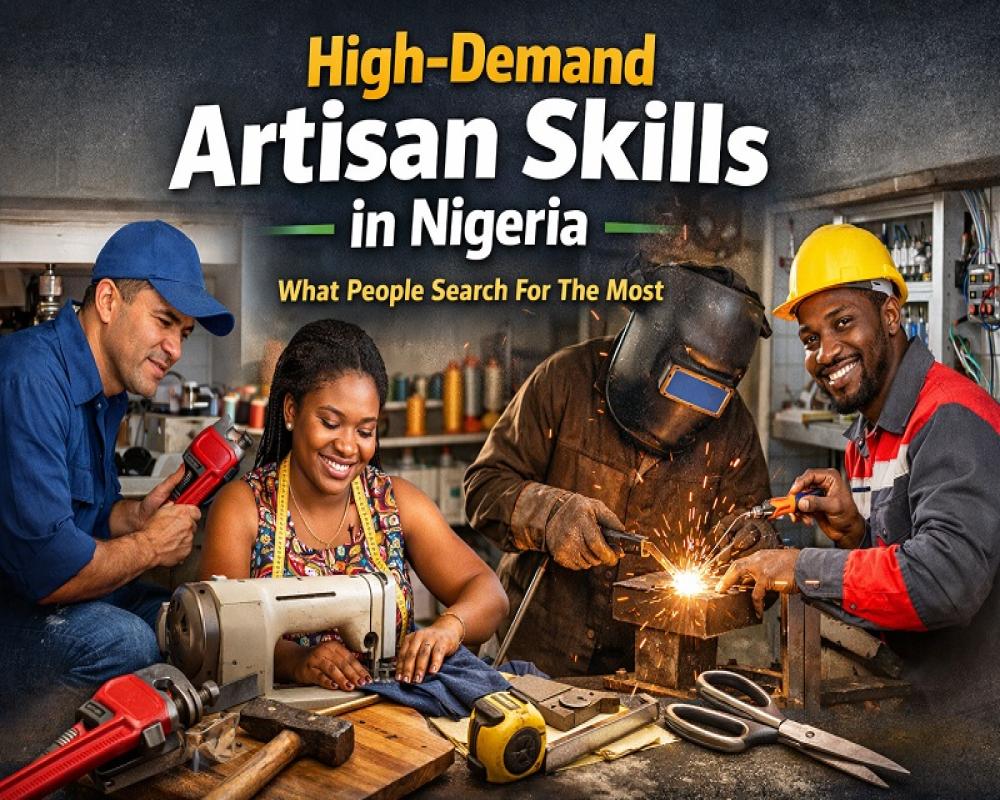
In Nigeria's rapidly evolving economy, one truth remains constant: skilled artisans will always find work. While many Nigerians chase white-collar jobs in saturated markets, a quiet revolution is happening in the trades sector. From Lagos to Kano, Port Harcourt to Abuja, homeowners, businesses, and construction companies are desperately searching for reliable, skilled artisans—often willing to pay premium rates for quality service.
The numbers tell a compelling story. Every month, thousands of Nigerians search online for plumbers, electricians, welders, and other skilled tradespeople. This isn't just demand; it's opportunity knocking loudly. Learning an artisan skill isn't merely about having a fallback plan—it's about tapping into a market with genuine, consistent demand. Whether you're a school leaver, a job seeker, or someone looking to diversify income streams, artisan skills in Nigeria offer a practical, proven path to financial independence. Unlike many careers that require years of formal education and uncertain job prospects, most artisan skills can be learned in months and immediately monetized in your community.
Let's explore the most in-demand artisan skills that Nigerians are actively searching for, and how you can turn these skills into sustainable income.
The Most In-Demand Artisan Skills in Nigeria
1. Plumbing
Plumbing involves installing, repairing, and maintaining water supply systems, drainage systems, and sanitary fixtures in residential and commercial buildings. This skill is in perpetual demand because every home, office, hotel, and facility needs functional water and sewage systems.
Plumbers are called upon for everything from fixing leaking pipes and installing water heaters to setting up entire bathroom and kitchen systems in new buildings. You can monetize plumbing by offering emergency repair services, working on construction projects, or even specializing in modern systems like water treatment and automated pumps.
2. Electrical Installation & Repairs
This trade covers wiring homes and offices, installing electrical appliances, troubleshooting power issues, and ensuring electrical safety compliance. With Nigeria's power challenges and the constant need for backup systems, electricians remain among the most sought-after artisans.
Electricians work on new construction projects, rewire old buildings, install inverters and solar systems, and provide maintenance services. The earning potential is substantial, especially for those who understand modern electrical systems, smart home technology, and renewable energy installations.
3. Carpentry & Furniture Making
Carpentry encompasses designing and building wooden structures, furniture, doors, windows, and decorative elements for homes and offices. This skill remains highly valued because quality, custom-made furniture is often more durable and aesthetically pleasing than mass-produced alternatives.
Carpenters can earn income through commissioned furniture pieces, kitchen cabinet installations, wooden ceiling designs, and partnerships with interior decorators. Those who combine traditional carpentry with modern design trends often command premium prices in Nigeria's growing middle-class market.
4. Welding & Metal Fabrication
Welding involves joining metal parts using heat and specialized equipment to create gates, burglar-proof bars, railings, canopies, and industrial structures. Security concerns and construction booms across Nigerian cities have made welding one of the most lucrative artisan skills.
Welders find consistent work fabricating security doors for homes, creating metal structures for commercial buildings, and manufacturing metal products for sale. Specializing in stainless steel work or artistic metalwork can significantly increase earning potential.
5. Tiling & POP Installation
This skill involves laying floor and wall tiles and installing Plaster of Paris (POP) ceilings and decorative designs that transform interior spaces. As Nigerians increasingly invest in home improvements and new buildings demand quality finishing, tiling and POP specialists are in high demand.
These artisans work on residential projects, commercial spaces, hotels, and showrooms. The skill is particularly profitable because materials are purchased separately, allowing artisans to charge competitive labor fees while clients see immediate, impressive results.
6. Painting & Interior Finishing
Professional painting goes beyond applying color to walls—it includes surface preparation, color consultation, decorative finishes, and protective coatings for various surfaces. Every building, whether residential or commercial, requires painting during construction and periodic repainting for maintenance.
Painters can build steady clientele through word-of-mouth, offer annual maintenance contracts to corporate clients, or specialize in decorative techniques like textured finishes and murals that command higher fees.
7. Masonry / Bricklaying
Masonry is the foundational skill of constructing walls, fences, and structures using bricks, blocks, and concrete. Despite technological advances, construction in Nigeria still heavily relies on skilled masons who can build straight, strong, and aesthetically pleasing structures.
Masons work continuously on construction sites, residential projects, and infrastructure development. Experienced masons who can also do plastering and basic architectural finishing often lead teams and earn substantial income, especially in Nigeria's expanding real estate sector.
8. Aluminum Window & Door Fabrication
This specialized trade involves measuring, cutting, assembling, and installing aluminum-framed windows, doors, and partitions for modern buildings. Aluminum fabrication has become increasingly popular in Nigeria due to its durability, low maintenance, and contemporary appearance.
Fabricators can establish workshops where they manufacture products for builders, architects, and homeowners, or operate mobile services for installations and repairs. The skill combines technical precision with business opportunities, as many fabricators eventually transition into selling materials alongside offering services.
9. Auto Mechanic & Car Diagnostics
Auto mechanics diagnose, repair, and maintain vehicles, addressing everything from engine problems to electrical systems and routine servicing. With millions of vehicles on Nigerian roads and limited public transportation options, mechanics enjoy consistent demand for their services.
Mechanics can specialize in specific vehicle types (luxury cars, commercial vehicles, or motorcycles), open their own workshops, or offer mobile repair services. Those who stay updated with modern vehicle technology, especially hybrid and electronic systems, position themselves for long-term success.
10. AC & Refrigeration Repair
This technical skill involves installing, maintaining, and repairing air conditioning units and refrigeration systems for homes, offices, cold rooms, and commercial establishments. Nigeria's tropical climate makes air conditioning essential rather than optional in many settings, creating year-round demand for qualified technicians.
Technicians earn through installation projects, maintenance contracts with businesses and hotels, and emergency repair services. The field offers excellent growth potential as more Nigerians invest in cooling systems for comfort and business preservation needs.
11. Generator Repair & Maintenance
Given Nigeria's ongoing power challenges, generator mechanics have become indispensable, servicing and repairing petrol and diesel generators that keep homes and businesses running. This is one of the most recession-proof artisan skills in Nigeria because generators are ubiquitous across all economic classes.
Mechanics can offer mobile repair services, establish workshops, sell spare parts, or secure maintenance contracts with businesses that depend on constant power. Those who also understand inverter systems and power backup solutions maximize their market appeal.
12. Solar Panel Installation
Solar installers design, install, and maintain solar power systems, helping Nigerians reduce dependence on unreliable grid power and expensive generators. As solar technology becomes more affordable and awareness grows about renewable energy, this skill represents the future of Nigeria's power solutions.
Solar technicians work with homeowners, businesses, telecom companies, and off-grid communities. The earning potential is significant because solar installations are investment-sized projects, and installers can also earn from system maintenance and upgrades.
13. CCTV & Security System Installation
This modern artisan skill involves installing and configuring surveillance cameras, alarm systems, access control, and integrated security solutions for properties. Rising security concerns across Nigeria have made CCTV installation one of the fastest-growing artisan services. Installers work with residential clients, corporate offices, banks, schools, and retail establishments.
Beyond initial installation fees, there's recurring income from system maintenance, upgrades, and troubleshooting, making this a highly sustainable business opportunity.
14. Upholstery & Cushion Making
Upholsterers restore and create new coverings for furniture, car seats, and decorative cushions, breathing new life into worn items or creating custom pieces. Rather than buying new furniture, many Nigerians prefer reupholstering existing pieces, making this an eco-friendly and cost-effective service.
Upholsterers can work from small workshops, partner with furniture makers, or offer specialized services for vehicles and office furniture. Creative upholsterers who stay current with fabric trends and design preferences can build impressive portfolios and premium client bases.
15. Tailoring & Fashion Design
Tailoring involves measuring, cutting, and sewing garments to create custom-fitted clothing for individuals, from everyday wear to special occasion outfits. Despite the availability of ready-made clothes, Nigerians' love for bespoke fashion, traditional attire, and perfect-fit garments keeps tailors perpetually busy.
Tailors can specialize in men's wear, women's fashion, children's clothing, or traditional outfits, and can expand into fashion design, creating original pieces for weddings, events, and fashion-conscious clients.
16. Barbing & Hair Grooming
Professional barbing covers men's haircuts, beard styling, hair treatments, and grooming services that have evolved into an art form and essential personal care service. Barbing shops are community hubs, and skilled barbers with good customer service build loyal clientele who return regularly.
Barbers can work in established salons, open their own shops, or offer mobile services for events and home visits. Those who master contemporary styles, maintain hygiene standards, and create welcoming environments often expand into multiple locations.
17. Laundry & Dry Cleaning Services
This service-based skill involves professionally cleaning, pressing, and maintaining clothing and household fabrics using specialized equipment and techniques. Busy professionals, families, and quality-conscious individuals increasingly outsource their laundry needs, creating steady demand for professional services.
Operators can start small with basic washing and ironing, then expand to dry cleaning, fabric treatment, and pickup-delivery services. Strategic location near residential areas, offices, or student accommodations ensures consistent patronage.
18. House Cleaning Services
Professional cleaners provide thorough, systematic cleaning of homes, offices, and commercial spaces, often using specialized equipment and eco-friendly products. As more Nigerian households have dual-income earners and businesses maintain professional standards, demand for reliable cleaning services continues growing.
Cleaners can offer one-time deep cleaning, regular maintenance services, post-construction cleaning, or specialize in areas like carpet cleaning and window washing. Building a reputation for trustworthiness and thoroughness leads to referrals and contract opportunities.
19. Landscaping & Gardening
Landscaping involves designing, installing, and maintaining outdoor spaces, including lawns, gardens, walkways, and ornamental features that enhance property aesthetics. Affluent homeowners, hotels, corporate offices, and institutions invest in attractive outdoor spaces, creating opportunities for skilled landscapers.
Gardeners can offer lawn maintenance services, plant nursery supplies, irrigation system installation, or complete landscape design packages. This skill combines creativity with horticultural knowledge and physical work, appealing to environmentally conscious clients.
20. Roofing & Sheet Installation
Roofers specialize in installing and repairing various roofing materials including aluminum sheets, roofing tiles, and waterproofing systems that protect buildings from the elements. Every building needs a quality roof, and Nigeria's rainy seasons make waterproofing expertise particularly valuable.
Roofers work on new construction, roof replacements, leak repairs, and gutter installations. Those who offer warranties on their work and use quality materials build strong reputations, leading to referrals and repeat business for maintenance and expansion projects.
Fastest Artisan Skills to Learn
- Painting & Interior Finishing – Can be learned in 1-3 months with immediate application
- House Cleaning Services – Basic skills acquirable within weeks, professional techniques in 1-2 months
- Barbing & Hair Grooming – Fundamental skills learnable in 2-4 months through apprenticeship
- Tiling – Basic tiling techniques can be mastered in 2-3 months of focused practice
- Laundry & Dry Cleaning – Equipment operation and fabric care learnable in 1-2 months
- Landscaping & Gardening – Basic gardening skills can be developed in 2-3 months
- Generator Repair – Fundamental repairs learnable in 3-4 months for common models
Skills with Highest Earning Potential
- Solar Panel Installation – Projects typically range from ₦200,000 to several million naira
- CCTV & Security System Installation – Installation contracts often exceed ₦150,000-500,000
- Electrical Installation – Complete house wiring projects can earn ₦100,000-800,000+
- Aluminum Window & Door Fabrication – Full building contracts worth ₦300,000-2,000,000+
- AC & Refrigeration Repair – Installation and maintenance contracts yield ₦80,000-400,000 per project
- Auto Mechanic (Specialized) – Luxury vehicle specialists can charge premium diagnostic and repair fees
- Carpentry & Furniture Making – Custom furniture projects can range from ₦50,000 to ₦1,000,000+
Real-Life Applications: Where These Skills Are Used
Understanding where artisan skills in Nigeria are applied helps you identify your potential market and opportunities:
Residential Settings: Homeowners regularly need plumbers for bathroom installations, electricians for wiring and repairs, carpenters for kitchen cabinets, welders for security doors, painters for interior finishing, CCTV installers for home security, AC technicians for cooling systems, and generator mechanics for backup power maintenance.
Commercial & Office Spaces: Businesses employ tilers for showroom floors, POP installers for modern ceiling designs, electricians for office lighting and power systems, cleaners for daily maintenance, CCTV specialists for workplace security, landscapers for corporate grounds, and painters for periodic refreshing of premises.
Construction Sites: New building projects require masons for structural work, roofers for weatherproofing, welders for reinforcement and metalwork, carpenters for formwork and finishing, electricians for wiring installations, plumbers for water systems, and aluminum fabricators for windows and doors.
Hospitality & Service Industry: Hotels and restaurants need upholsterers for furniture maintenance, AC technicians for climate control, laundry specialists for linens, cleaners for guest areas, landscapers for grounds keeping, and generator mechanics for uninterrupted power supply.
Automotive & Transport Sector: Auto mechanics service personal vehicles, commercial fleets, and public transportation; upholsterers restore vehicle interiors; electricians handle vehicle electrical systems; and welders repair body damage and fabricate custom modifications.
Telecommunications & Technology Infrastructure: Solar installers power remote cell towers, CCTV specialists secure infrastructure, electricians maintain power systems, and generator mechanics ensure backup power for critical communications equipment.
Frequently Asked Questions
Q1: Which artisan skill is most in-demand in Nigeria right now?
Based on search trends and market needs, electrical installation and plumbing consistently rank among the most searched artisan services in Nigeria. However, emerging skills like solar panel installation and CCTV security systems are experiencing rapid growth due to power challenges and security concerns. The "most in-demand" skill often depends on your location—urban areas may need more AC technicians and CCTV installers, while developing areas might need more masons and welders.
Q2: How much can I earn as an artisan in Nigeria?
Earning potential varies significantly based on skill level, location, and specialization. Entry-level artisans typically earn ₦30,000-80,000 monthly as apprentices or assistants. Skilled independent artisans can earn ₦100,000-500,000 monthly depending on workload and reputation. Master craftsmen and specialized artisans (solar installers, specialized electricians, custom furniture makers) can earn ₦500,000-2,000,000+ monthly through high-value projects and contracts. Your income ultimately depends on your skill quality, business acumen, and ability to market your services.
Q3: How long does it take to learn an artisan skill in Nigeria?
Learning timelines vary by skill complexity. Basic skills like painting, cleaning services, or simple tiling can be learned in 1-3 months. Intermediate skills like barbering, carpentry, or welding typically require 6-12 months of apprenticeship. Complex technical skills like AC repair, auto mechanics, or electrical installation often need 1-2 years to gain competence and confidence. However, mastery comes with experience—most artisans continue learning and improving throughout their careers.
Q4: Do I need formal education to become an artisan?
Most artisan skills to learn in Nigeria don't require formal education beyond basic literacy and numeracy. The traditional apprenticeship system (learning under an experienced craftsman) remains the most common path. However, technical schools, vocational training centers, and online courses now offer structured learning for many trades. Some modern skills like solar installation and CCTV systems benefit from technical knowledge, but even these can be learned through dedicated practical training.
Q5: Can artisan skills provide better income than office jobs?
Absolutely—many skilled artisans in Nigeria earn significantly more than entry and mid-level office workers. The best artisan skills to learn often provide faster financial independence because you can start earning while learning and scale your income by improving skills, building reputation, and eventually employing others. Unlike office jobs with fixed salaries, artisans control their earning potential through the quality and quantity of work they take on. Additionally, artisans can work independently, avoiding office politics and rigid schedules while building valuable businesses.
Conclusion
The landscape of Nigeria artisan jobs is thriving, evolving, and offering genuine opportunities for those willing to invest time in learning practical skills. While the digital economy captures headlines, the physical world around us—our homes, offices, vehicles, and infrastructure—continuously needs skilled hands to build, repair, maintain, and improve.
The twenty artisan skills explored in this article represent proven paths to financial stability and independence. From the enduring demand for plumbers and electricians to the emerging opportunities in solar installation and security systems, each skill addresses real needs in Nigerian society. The search data doesn't lie—thousands of Nigerians are actively looking for these services every day, representing customers waiting for skilled, reliable artisans.
What makes these in-demand artisan skills particularly attractive is their accessibility. Unlike careers requiring years of university education and uncertain job prospects, most artisan skills can be learned through apprenticeships, vocational training, or focused self-study in months rather than years. You can start earning while still learning, test the market with minimal investment, and scale your operations as your skills and reputation grow.
The most successful artisans combine technical expertise with business sense—they deliver quality work, maintain professional standards, treat customers well, and continuously update their skills to meet changing market demands. Whether you choose a traditional craft like carpentry or a modern specialty like CCTV installation, your success will ultimately depend on your commitment to excellence and customer satisfaction.
Nigeria's infrastructure gaps, power challenges, security concerns, and growing middle class create a perfect environment for skilled artisans to thrive. The question isn't whether there's opportunity—the opportunity is evident and abundant. The real question is: which skill matches your interests, aptitude, and local market needs?
Start by researching which services are most needed in your area, connect with experienced artisans for mentorship or apprenticeship, and commit to mastering your chosen craft. The tools are accessible, the market is waiting, and the path to financial independence through artisan skills in Nigeria is clearer than ever. Your journey from learner to master craftsman to business owner begins with a single decision—to invest in a skill that will serve you for life.
0 Comments